New Zealand invests in seaweed farming
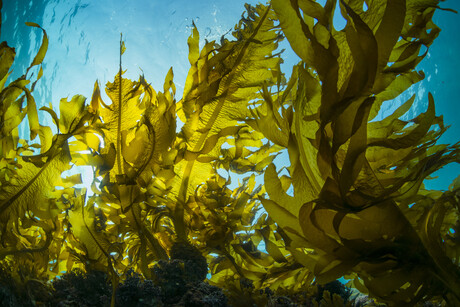
The New Zealand Government has put its weight behind a commercial regenerative seaweed pilot in the Hauraki Gulf and Bay of Plenty.
Through the Sustainable Food and Fibre Future fund, $2 million will be invested in the initiative, with an additional $1.2 million to come from an investment by Auckland Council and another $2 million from other investors.
The trial will be modelled after one developed by GreenWave in the US. The project will include hatchery production, on-water farming, seaweed processing and training programs for seaweed farmers. The hatchery facilities will be developed such that they can produce seaweed at a commercial level. Techniques will also be developed for farming the crop in the region. Ultimately it is hoped that a burgeoning industry will be developed from the project.
The University of Waikato will lead the research and trial designs, while Premium Seas Limited and AgriSea will help by providing their production, market and processing expertise.
“Markets exist for locally produced seaweed-based products, and there is potential to develop future markets for blue carbon and nutrient credits,” said Steve Penno, Ministry for Primary Industries’ director of investment programs.
“This project will measure the potential environmental benefits, which include increasing marine biodiversity, improving water quality through the uptake of nitrogen and phosphorous, carbon sequestration and potential erosion protection for coastlines.
“Establishing commercial seaweed farming across the country will also provide new jobs in coastal communities where employment opportunities are more limited.
“This project complements our Fit for a Better World roadmap to increase exports, lower emissions, improve the environment and employ more people in the food and fibre sector.
“It will deliver economic growth and jobs for the regions, which will also contribute to the government’s goal of sustainably growing the value of the aquaculture industry fourfold to $3 billion by 2035, and help to boost our economic recovery from the COVID-19 pandemic.”
The good, the bad and the ugly food buying habits
A recent study with Charles Darwin University (CDU) examines how consumers' religiosity...
Small changes for manufacturing healthier food
Research in the UK suggests that food and drink manufacturers could improve the sustainability...
Flavour-first technology for fruit development
A new flavour wheel tool developed by Queensland researchers will allow consumer taste...